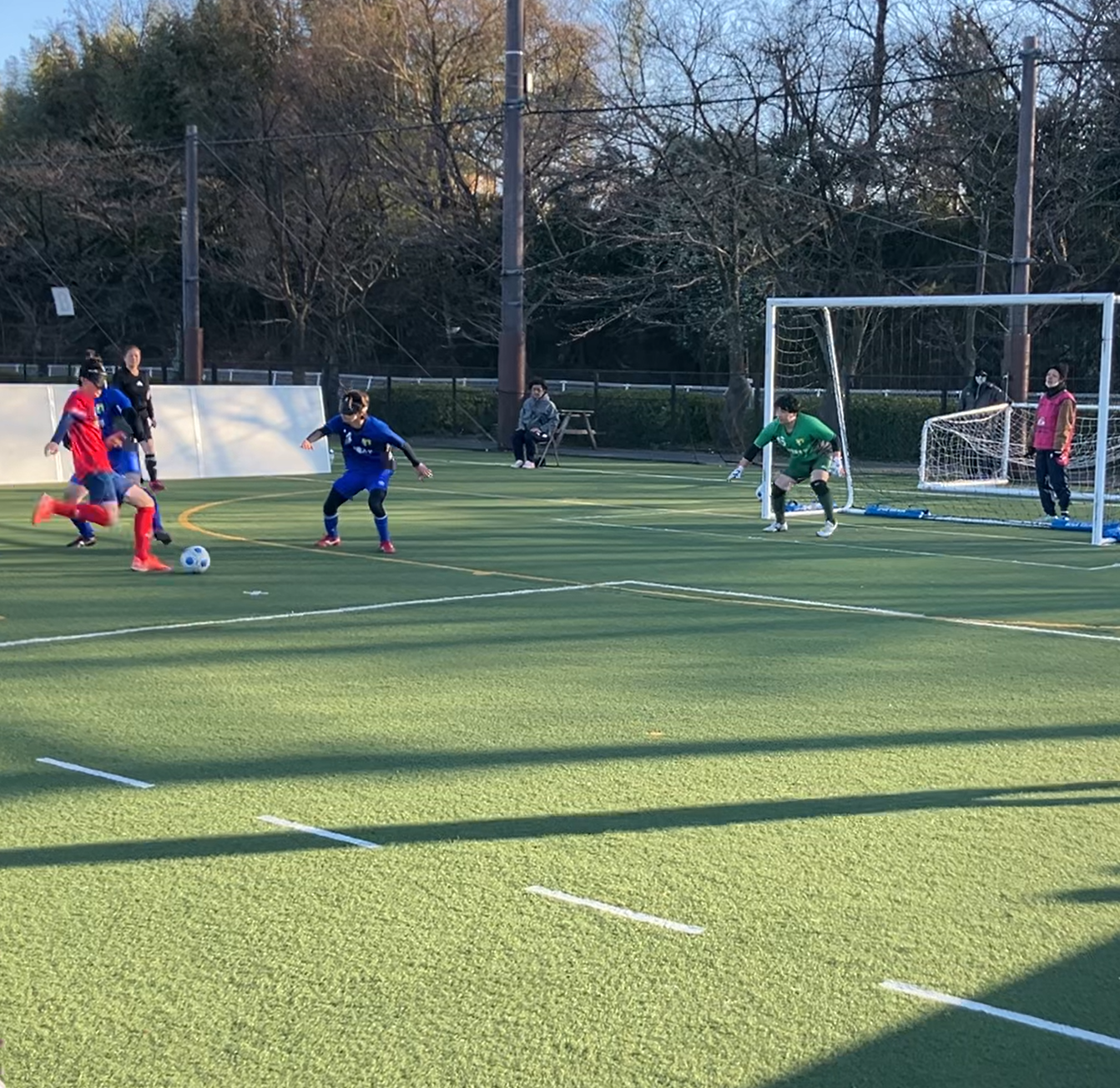
Blind and low-vision (BLV) people often rely on live commentary to follow sporting events, yet the information required to make blind football accessible to BLV spectators is not yet fully understood. We investigated the information needed to understand the state of a blind football match and derived design implications for automated commentary systems.
We interviewed 11 BLV people with experience of watching blind football. Participants consistently identified three essential types of information: which player and team had possession of the ball, what occurred during play, and why fouls were called. Ball-possession information was considered time-critical and therefore needed to be delivered in real time, whereas detailed descriptions of play and explanations of fouls could be provided during subsequent stoppages. Participants also emphasized that commentary should preserve the sounds of the match and vary in detail according to spectators’ experience and preferred ways of following the game.These findings provide a basis for designing timely and adaptive automated commentary that improves access to blind football without obscuring its distinctive auditory environment.
全盲およびロービジョン(BLV)の人々は、スポーツ観戦においてライブ実況に頼ることが多い。しかし、ブラインドサッカーをBLV観戦者にとってアクセシブルなものとするために必要な情報は、十分に明らかになっていない。本研究では、ブラインドサッカーの試合状況を理解するために必要な情報を調査し、自動実況システムに向けた設計指針を導出した。
ブラインドサッカーの観戦経験を持つBLV当事者11名にインタビューを実施したところ、参加者は共通して3種類の情報を不可欠なものとして挙げた。すなわち、どのチームのどの選手がボールを保持しているか、プレー中に何が起きたか、そしてなぜファウルが宣告されたかである。ボール保持に関する情報は即時性が高く、リアルタイムで提示される必要があるとされた一方、プレーの詳細な描写やファウルの説明は、その後のプレー中断時に提供されればよいとされた。また参加者は、実況が試合音を損なわないこと、そして観戦者の経験や好みの観戦方法に応じて詳細度を変えることの重要性を強調した。これらの知見は、ブラインドサッカー特有の聴覚環境を損なうことなくアクセスを向上させる、タイムリーかつ適応的な自動実況を設計するための基盤となる。
Yoichiro Katayama, Ayaka Tsutsui, Kengo Tanaka, Tatsuki Fushimi, Yoichi Ochiai