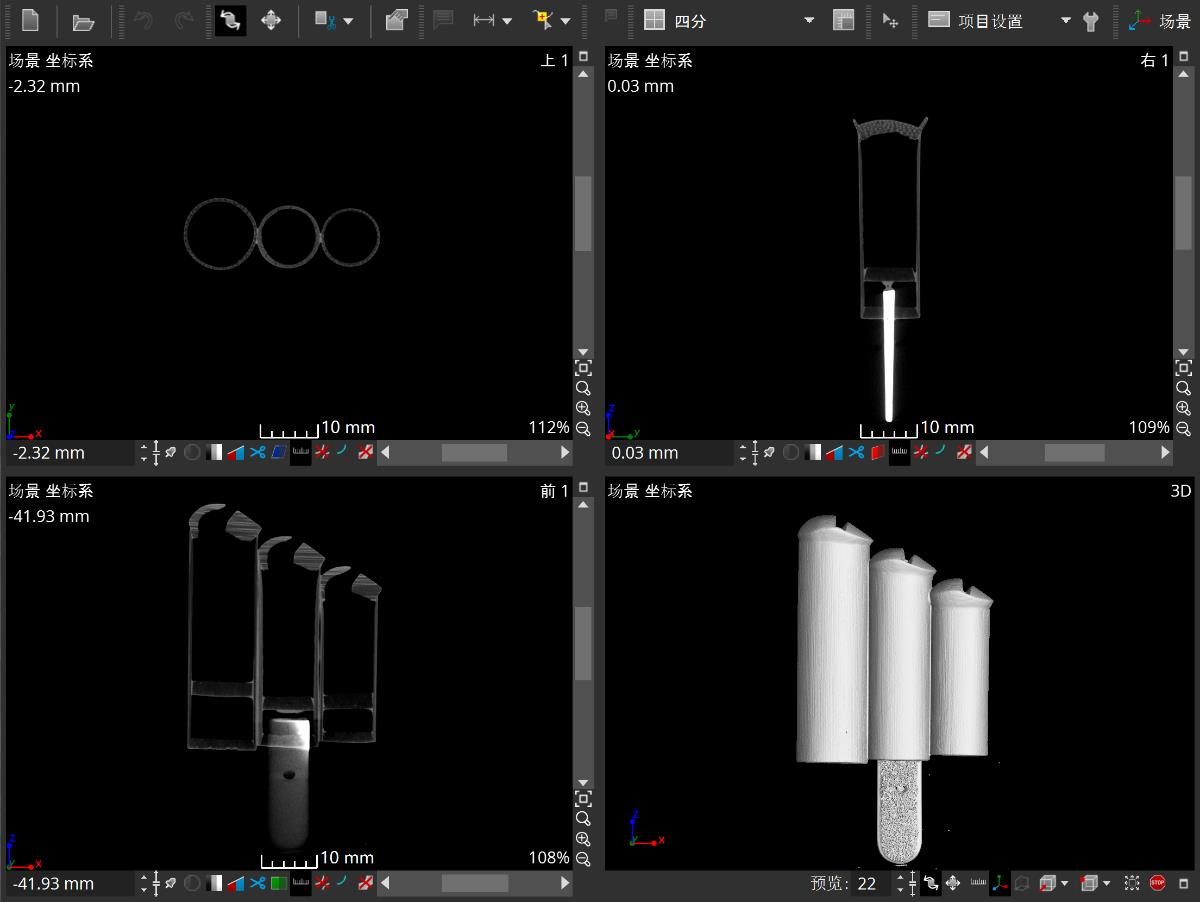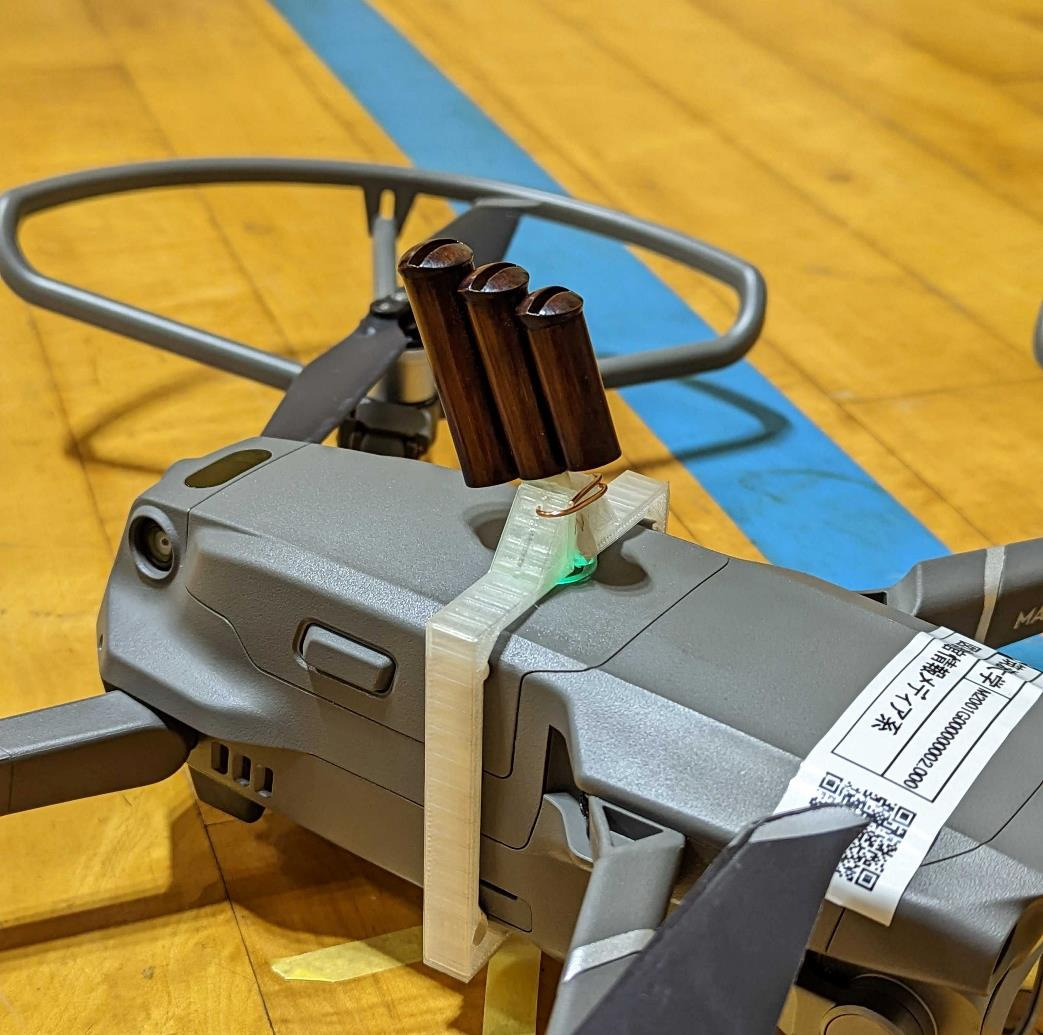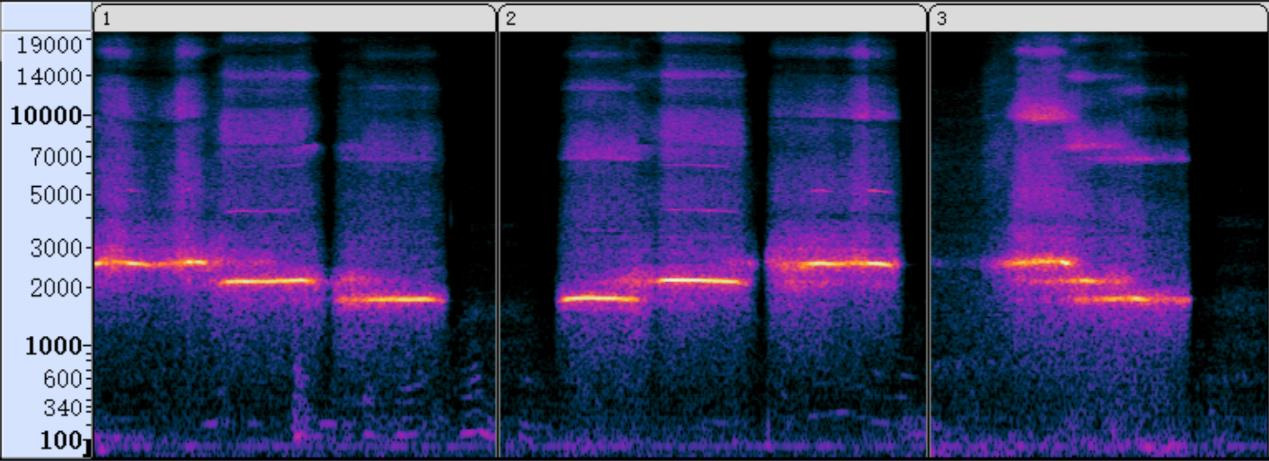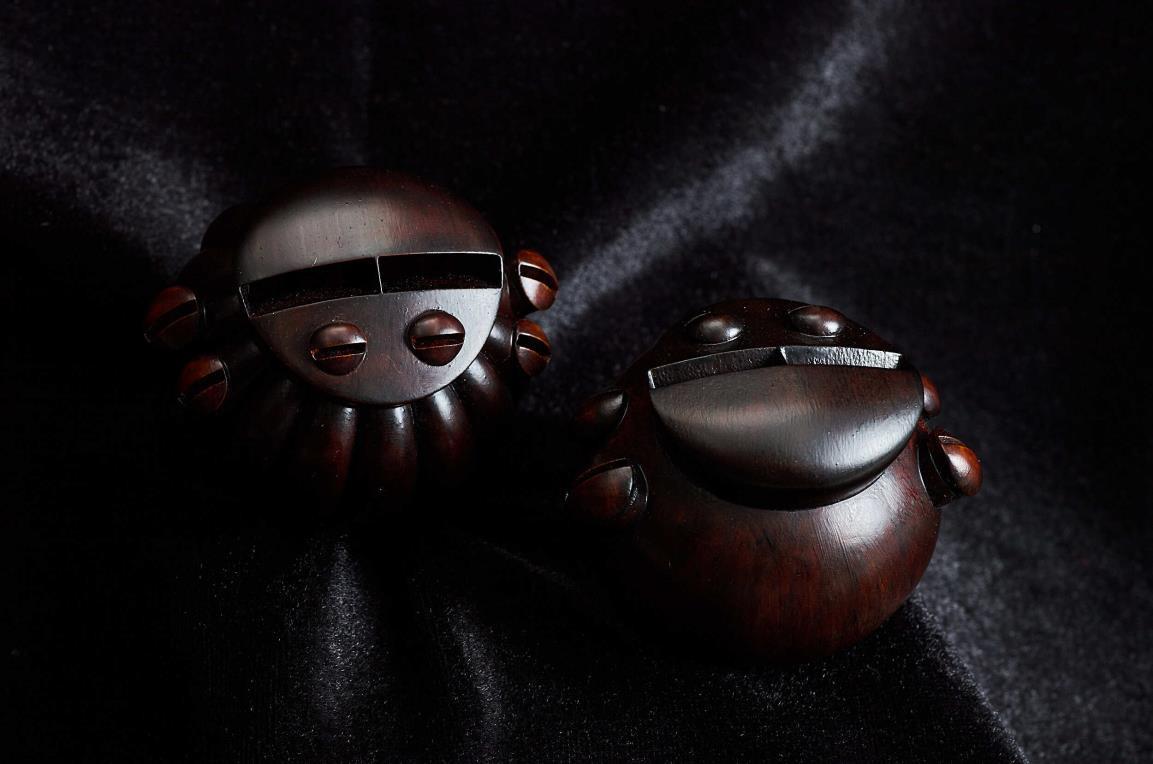
This project aims to examine the structure and sound production of a traditional Chinese folk craft, the Beijing Pigeon Whistle. The pigeon whistle is a whistle (or a set of whistles) that is attached to the tail of a pigeon and makes a sound as the pigeon flies. The use of pigeon whistles in China dates back thousands of years, and in the Qing Dynasty, the Beijing pigeon whistles have become a folk craft with both entertainment and collection value, and the sound of pigeon whistles has become a symbol of Beijing. However, with the city’s recent development, the breeding and release of pigeons and the use of pigeon whistles have been restricted, leading to the decline of pigeon whistle culture and the craft of making them. This study aims to contribute to the dissemination of the culture and the transmission of the craft by analyzing the structure and the factors that influence the sound of the basic “SanLian” (triple tubes in a row) pigeon whistle, made by a successor of one of Beijing’s pigeon whistle master artisans. The results of this study will be used to inform future acoustic research and redesign of the pigeon whistles.
Authors: Yinan Zhao